
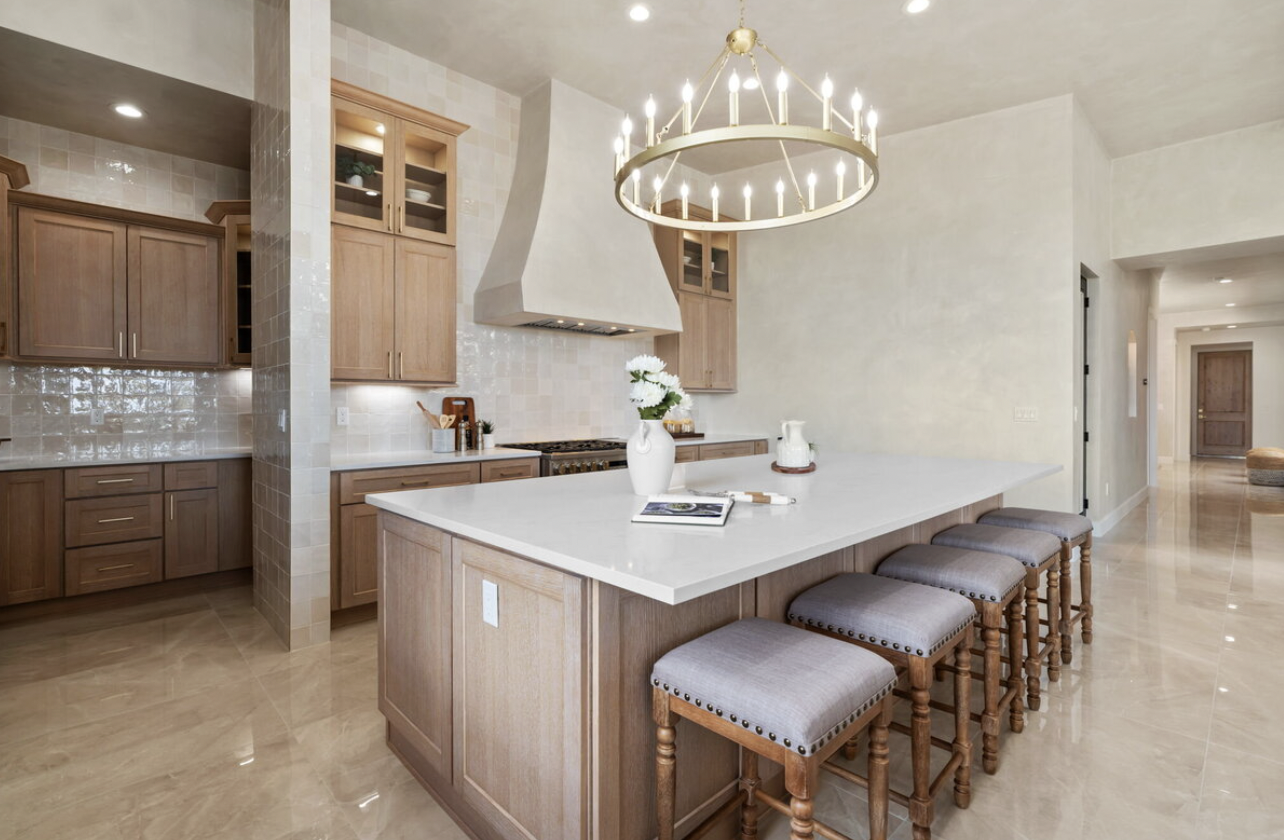
Indirect Lighting Ideas That Help Homes Show and Sell Well
The moment a buyer steps through the front door, or scrolls past a listing photo on their phone, lighting is already shaping how they feel about a home. It happens before they notice the paint color, the flooring, or the furniture. A room that’s washed in harsh overhead light or left dim in the corners can make even a beautifully staged home feel cold, uninviting, or simply forgettable online.
That’s where indirect lighting ideas come in. Instead of relying on a single bright bulb overhead, indirect lighting softens a space by bouncing light off walls, ceilings, and furnishings, creating a warmer, more layered glow. It’s a small shift with an outsized impact, and it’s one of the easiest ways to help a staged home photograph beautifully and show even better in person.
Lighting isn’t a finishing touch you add at the end. It’s part of the staging strategy from the start. Buyers respond emotionally to a space long before they think logically about square footage or layout, and light plays a bigger role in that emotional response than most sellers realize. A well-lit room feels warm, spacious, and move-in ready. A poorly lit one, no matter how nicely it’s furnished, can feel flat or uncertain, and that hesitation is exactly what a seller wants to avoid.
Why Indirect Lighting Matters When Staging a Home for Sale
Direct lighting, like a single overhead fixture or a bare bulb, throws light straight down in one concentrated beam. It creates harsh shadows, uneven brightness, and hot spots that cameras pick up on more than the human eye does. Indirect lighting works differently. It bounces light off a surface first, whether that’s a wall, ceiling, or lampshade, spreading it more evenly across the room and softening the overall effect.
This matters even more in vacant home staging. A lived-in home naturally has layers of light: table lamps, accent fixtures, even the glow from a kitchen under-cabinet light left on. A vacant home has none of that built in. Without furnishings or existing light sources to soften a room, an empty space can lean cold and sterile fast, especially in listing photos where lighting flaws are impossible to hide. Thoughtful indirect lighting fills that gap and gives an empty room the same warmth a furnished one would have.
Simple Indirect Lighting Ideas for Living and Dining Areas
Living and dining rooms tend to be the spaces buyers linger over longest in photos, so they’re worth getting right. A few reliable options:
- Floor lamps placed in corners add height and warmth without competing with staged furniture.
- Uplighting, where a fixture directs light upward toward the ceiling, softens the entire room and avoids the flat look of a single overhead source.
- Table and buffet lamps angled to bounce light off a nearby wall add a subtle glow that reads well both in person and on camera.
The goal is to layer light at different heights, floor level, table level, and eye level, rather than relying on one source. A single overhead light in a listing photo tends to look flat and a little clinical. Layered light gives a room depth and makes it feel considered, not staged in a hurry.
Indirect Lighting Ideas for Bedrooms and Smaller Spaces
Smaller rooms need a gentler touch, since anything too bright or too direct can make them feel even more cramped. A few ideas that work well:
- Bedside lamps with warm-toned bulbs create a calm, restful feel that photographs nicely on either side of a staged bed.
- Wall sconces free up nightstand or floor space while still adding a soft, ambient glow.
- Small accent lamps on a dresser or reading nook add just enough light to make the room feel finished without overwhelming it.
This kind of soft, indirect lighting is especially useful in rooms that don’t get much natural light. Rather than flooding a dim room with cold, bright light to compensate, layered lamps and sconces make the space feel brighter in a way that still feels warm and livable, not clinical.
What to Avoid With Lighting When Preparing a Home for Listing Photos
A few common lighting mistakes can undercut even great staging:
- Mixed color temperatures. Combining warm and cool bulbs in the same room creates an uneven, slightly off look that’s very noticeable in photos.
- Single overhead bulbs as the only light source. This flattens a room and creates unflattering shadows, especially in wider listing shots.
- Lamps placed carelessly, casting harsh shadows across walls or furniture where the camera happens to catch them.
These are easy mistakes to make and easy to miss without an experienced eye. That’s exactly why professional staging exists: to catch these details before a photographer ever shows up, so sellers don’t have to research bulb temperatures or lamp placement on their own. It’s one more layer of polish handled for them.
Conclusion
Lighting is a small detail with a big effect on how a home is remembered, whether a buyer is walking through it in person or scrolling past it online. Thoughtful, layered indirect lighting is one more piece of the staging puzzle that helps a listing stand out, feel warmer, and ultimately sell faster and for more.
If you’re preparing to list your Albuquerque area home, request a staging quote today and let’s make sure every detail, lighting included, is working in your favor.

Leave a Comment!
Comments